 Kansas City Current
Understanding Recent Form
The Kansas City Current has recently showcased a blend of brilliance and inconsistency, reflected in their mixed results on the pitch. While their attacking prowess has often been evident, particularly through the creative play of key midfielders, defensive lapses have led to critical dropped points. Analyzing their tactical setup, it becomes clear that certain adjustments could not only stabilize the defense but also maximize the offensive potential of the squad.
Formation Tweaks
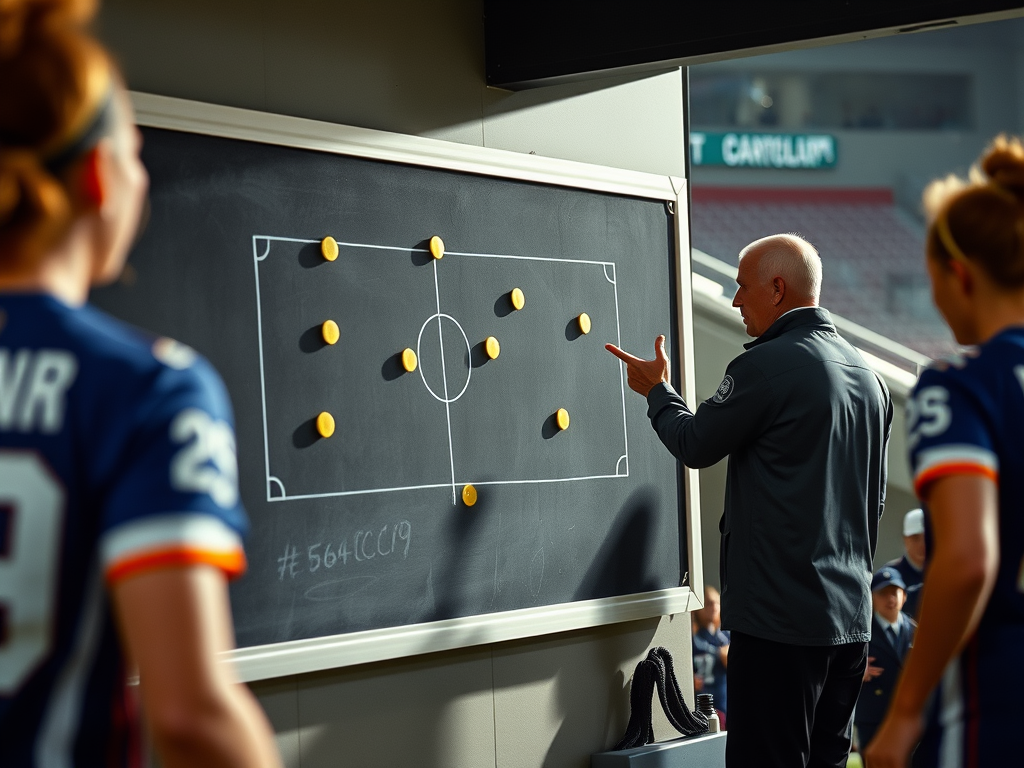
Currently, the Current employs a 4-3-3 formation, which has its merits in providing width and facilitating quick transitions. However, recent matches have exposed vulnerabilities, particularly in the center of the park, where opponents have exploited gaps between the midfield and the defensive line. A shift to a 4-2-3-1 formation could provide greater defensive stability while allowing for a more fluid attacking structure.
In this setup, two holding midfielders would add a layer of protection in front of the backline, reducing the pressure on the defenders and allowing them to engage more confidently in duels. This configuration would also enable the Current to control possession more effectively, as the two midfielders could recycle the ball and maintain a strong presence in the center of the field.
Maximizing Player Roles
Additionally, the Current could benefit from re-evaluating player roles within this new formation. For instance, deploying a more defensively minded midfielder alongside a creative player could balance the team’s dynamic. With a player like Sam Mewis anchoring the midfield, the Current could enhance their ball recovery and distribution capabilities. Mewis’s vision and passing range could also serve to initiate attacks more effectively from deeper positions.
On the wings, players such as Gabrielle Robinson and Megan Sauer should be encouraged to cut inside more frequently. This would allow the fullbacks to overlap and create width, stretching the opposition’s defense and creating more goal-scoring opportunities. Relying on these players' dribbling and pace can help the Current become more unpredictable in their attacking phases.
Defensive Cohesion
Defensively, the Current must address their coordination when pressing high. At times, the team has seemed disjointed, allowing opponents to exploit spaces left behind. Implementing a more compact pressing strategy could help the Current regain possession more effectively while maintaining their shape. Teaching the players to press as a unit will prevent gaps from opening up and allow for a more organized defensive structure.
Set-Piece Strategies
Lastly, set-pieces represent a critical area for improvement. The Current has shown flashes of brilliance in attacking set-pieces, yet they have also been vulnerable at the back during defensive ones. Training sessions focused on both offensive and defensive set-piece strategies could yield significant dividends. By enhancing their execution and positioning during these moments, the Current can capitalize on scoring opportunities while minimizing the risks associated with set plays.
Conclusion
In conclusion, while the Kansas City Current has demonstrated flashes of brilliance during the season, strategic adjustments in formation and player roles are necessary to enhance overall performance. By shifting to a 4-2-3-1 formation, maximizing player capabilities, tightening defensive cohesion, and refining set-piece strategies, the Current can position themselves favorably for the remainder of the season. With these tactical tweaks, the Current can not only improve their consistency but also make a strong push for the playoffs.